NailAtlas Editorial
Guidance grounded in market data from the 3,300+ nail salons we've indexed.
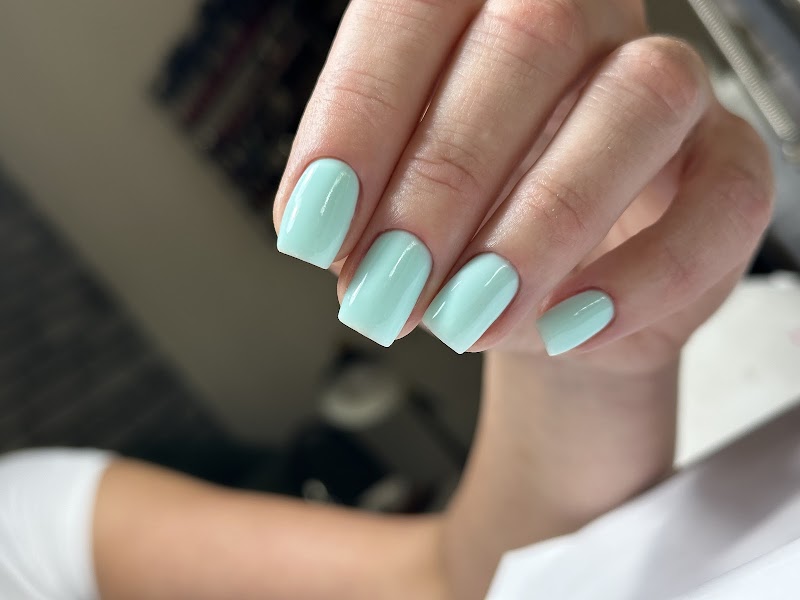
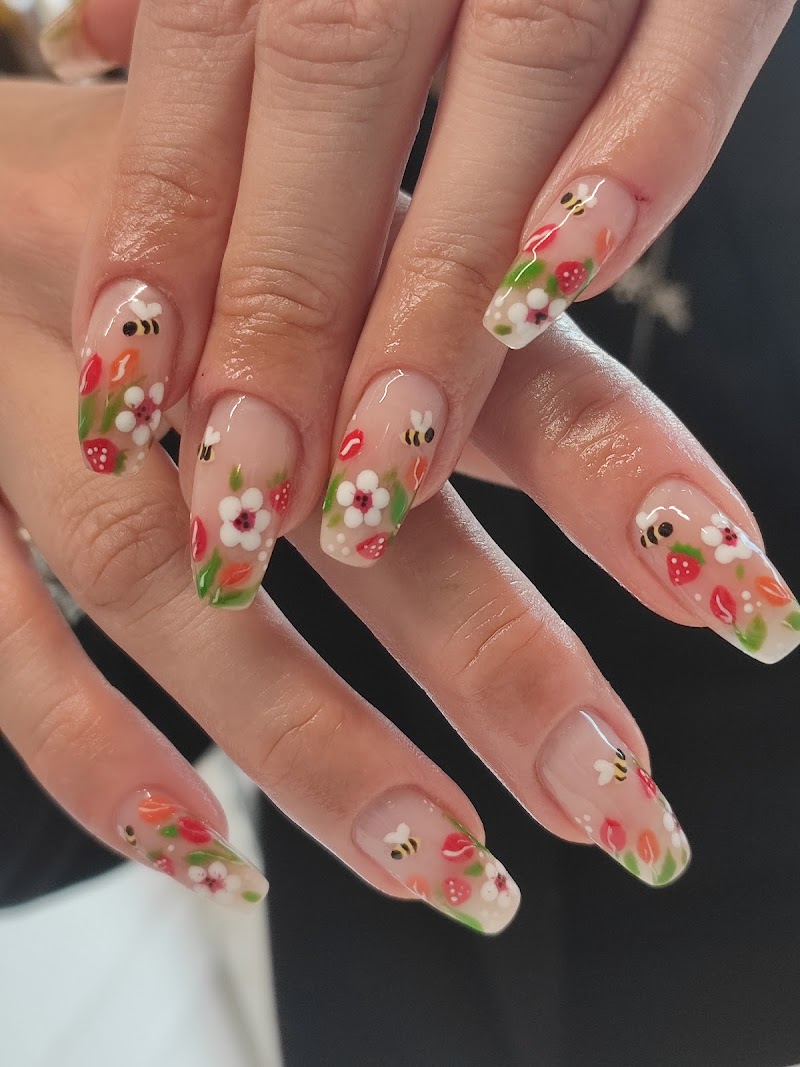
♡ Tap a heart to save a look
View style board →Quick Facts
- Service
- Structured gel overlay
- Duration
- 60 – 90 min
- Lasts
- 3 – 4 weeks
- Price
- $50 – $85 (US)
- Best for
- Weak, splitting nails
Builder gel is a thickened gel that cures under a UV or LED lamp and is shaped onto your natural nail to give it structure. It is not one product. BIAB, structure gel, rubber base and hard gel are all sold as “builder gel”, they remove in completely different ways, and being handed the wrong one is the single most common reason people end up disappointed with the service.
This guide is written from the salon side rather than the bottle side: what the category actually contains, what a real builder gel service costs in the US, and the questions worth asking before someone starts filing.
321 salons in the NailAtlas directory list builder gel or BIAB as a named service across New York, Los Angeles, Chicago, Miami and London.
What Builder Gel Actually Does
The job of builder gel is to stop the nail bending. Natural nails do not usually break at the tip — they break because the nail flexes at the stress point just past the fingertip, and the split starts there. Builder gel is viscous enough to sit where it is put, which means a technician can build an apex: a slight arch, roughly a third of the way down the nail, that takes the load.
That apex is the whole product. A perfectly nice-looking builder gel overlay with the apex in the wrong place is weaker than no overlay at all, because you have added weight without adding support. This is why builder gel results vary so wildly between technicians when the product in the bottle is identical.
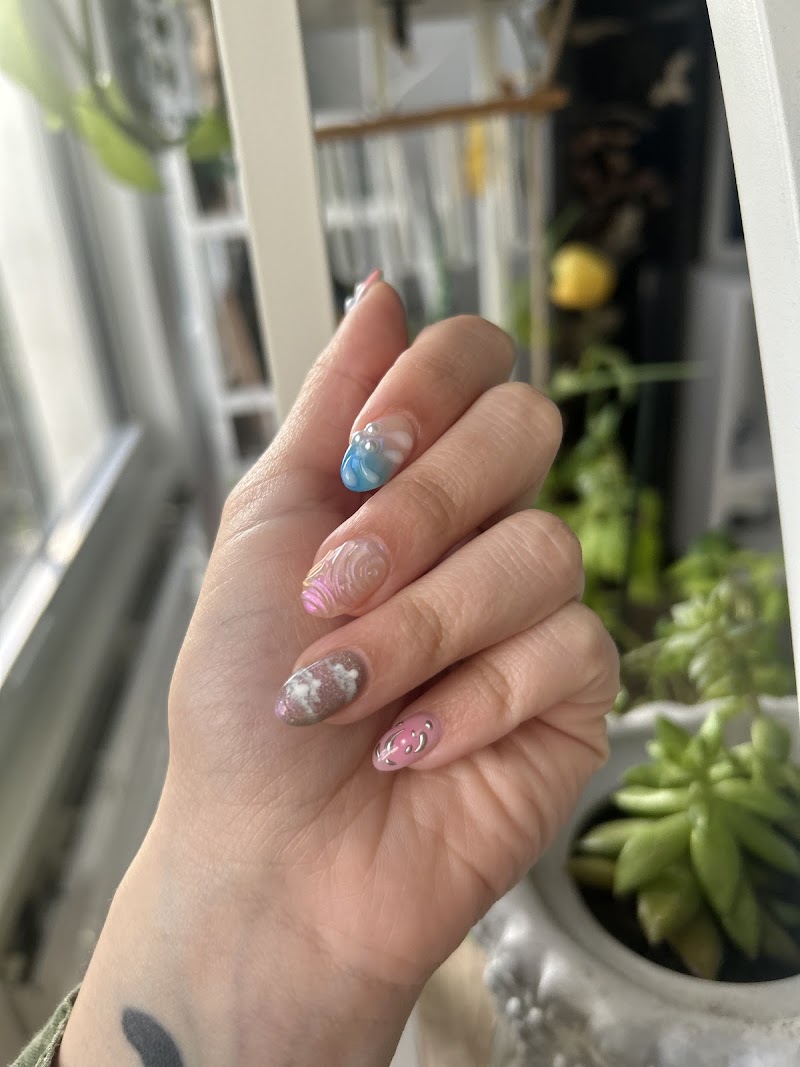
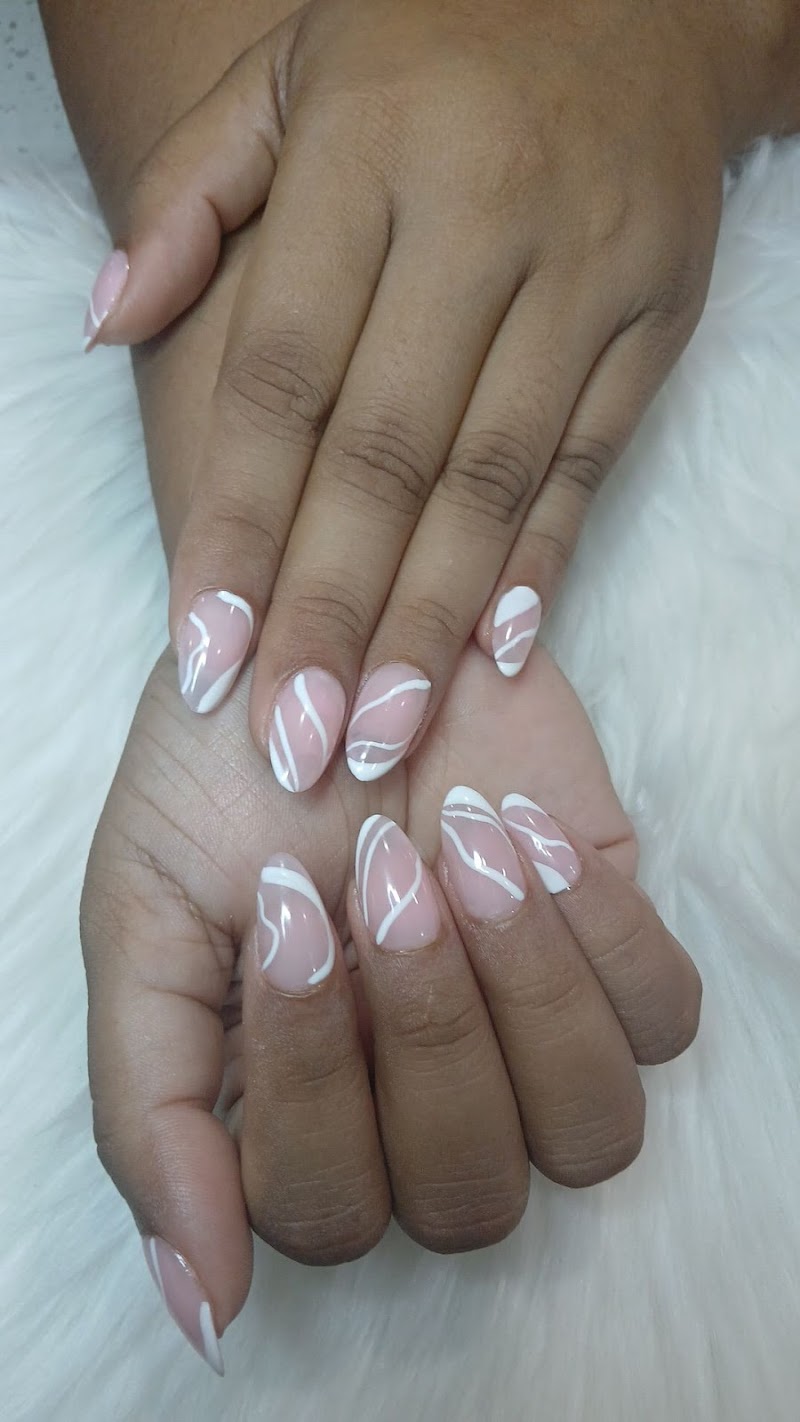
N0vanailzz
Builder gel overlay on natural nails
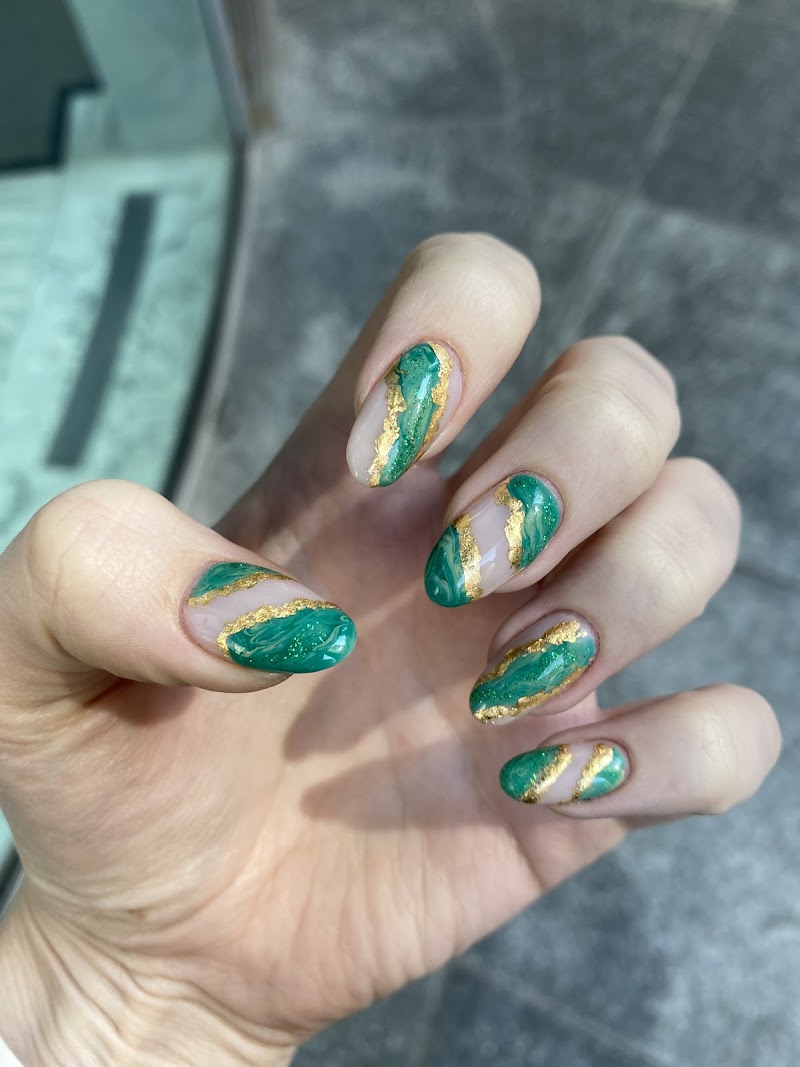
How You Nail It Studio
Builder gel overlay on natural nails
Builder Gel vs BIAB vs Hard Gel vs Rubber Base
This is where almost all the confusion lives, so it is worth being precise. All four are gels. They are not interchangeable.
| Type | What it is | Removal |
|---|---|---|
| Soft / soak-off builder gel | The mainstream option. Enough structure for an overlay and short extensions | Acetone soak, 15–25 min |
| BIAB | A soak-off builder gel sold in a polish-style bottle. Originally a brand name, now used generically | Acetone soak, 15–25 min |
| Hard gel | More rigid, holds real length, used for full extensions | E-file only — will not dissolve |
| Rubber base | A flexible levelling base coat. Some structure, but not a true builder | Acetone soak, 10–15 min |
The practical consequence is removal. If you were given hard gel and go somewhere expecting a soak-off, you will sit with your fingers in acetone for 40 minutes, nothing will happen, and someone will start scraping. Ask which one you are getting and write it down.
If you are in the UK or reading UK content, you will see BIAB far more often than “builder gel” — same category, different vocabulary. Full BIAB guide →
What Builder Gel Is Used For
- Overlay on natural nails. The most common use. Reinforces what you already have so it can grow.
- Short extensions. Sculpted over a form, soft builder gel adds a few millimetres. Past that, hard gel or acrylic is the right tool.
- Evening out ridges. Builder gel fills and levels an uneven plate, giving colour a flat surface to sit on.
- Growing out acrylic damage. The overlay protects a thinned plate while the damaged growth moves up and off.
Builder Gel vs Gel Polish
| Factor | Builder gel | Gel polish |
|---|---|---|
| Purpose | Structure | Colour |
| Adds strength | ✓ Yes | ✗ No |
| Typical wear | 3–4 weeks | 2–3 weeks |
| Maintenance | Infill | Full removal and redo |
| Can add length | Slight | No |
| Typical US price | $50–$85 | $30–$55 |
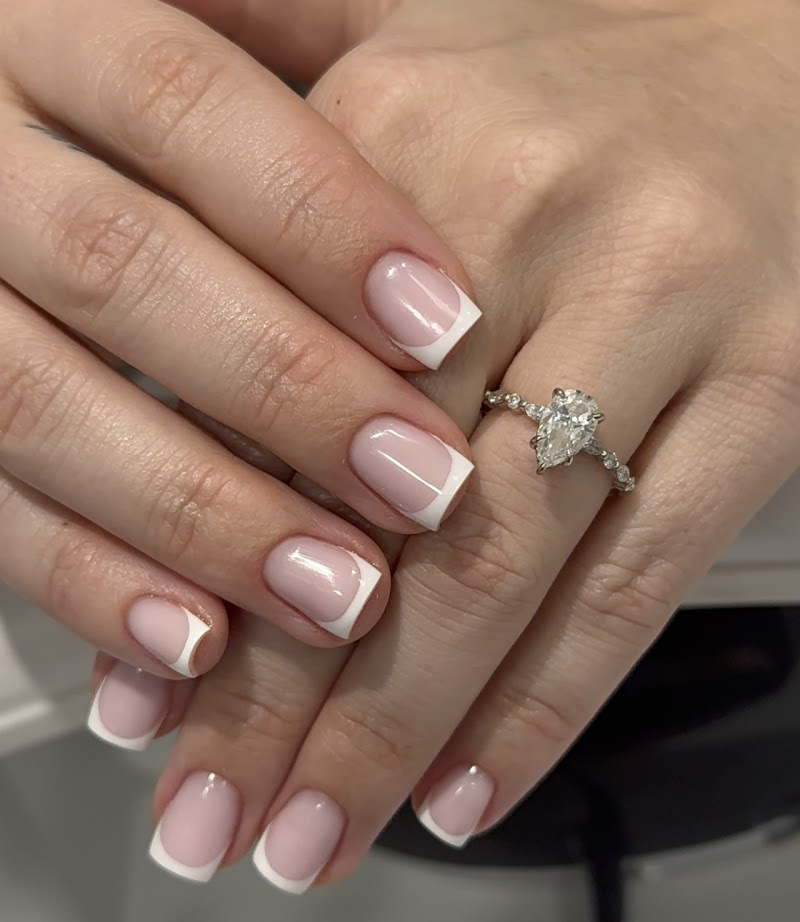
Jenny's Nail Salon En Metropolitan
Builder gel base under a French tip
STnails Nail Studio
Builder gel base under a French tip
Is Builder Gel Good for Your Nails?
Builder gel does not strengthen the nail plate itself. Nothing does — the plate is dead keratin, and no product applied on top of it can feed or repair it. What builder gel does is take the mechanical load off, so the nail stops splitting before it reaches the length you want.
The damage risk sits in the human parts of the service, not in the bottle. Over-buffed prep thins the plate. Aggressive removal thins it more. A technician who preps lightly and removes patiently can keep you in builder gel more or less indefinitely; one who drills the surface before every set will thin your nails no matter which brand is on the shelf.
The Disadvantages of Builder Gel
Most builder gel content is published by companies selling builder gel, so this section tends to go missing. Four genuine drawbacks:
- It is only as good as the apex. Structure is a skill, not an ingredient. Badly placed, the overlay adds weight without support and the nail breaks anyway.
- It commits you to maintenance. Infills every 2–4 weeks. Left past about six weeks, the regrowth gap lets water track under the overlay, which encourages lifting.
- Acrylate sensitisation is permanent. Rare, but once you react you generally react for life — and it can rule out other acrylate-based treatments, including some dental materials. Itching, redness or blistering around the nail after an appointment is a stop-and-see-a-dermatologist signal.
- The category label tells you nothing about removal. Soft and hard builder gels look similar on the nail and come off completely differently. You have to ask.
What a Builder Gel Appointment Looks Like
A first set usually runs 60–90 minutes. Infills are faster, around 45–60.
- Prep. Shape, cuticle work, and a light buff to take the shine off. Builder gel needs less abrasion than acrylic — if the prep feels aggressive, say so at the time.
- Dehydrate and prime. Oils are removed and a thin primer goes down. This is the layer that decides whether you get three weeks or three days.
- Build the apex. A thin layer is cured, then a second is floated into an arch and cured. This is the step you are paying for.
- File to shape. The cured gel is refined into the final shape. The shape is set in gel, so it holds for weeks.
- Colour and top coat. Gel polish or art over the top, cured, tacky layer wiped, cuticle oil in.
How Much Builder Gel Costs in the US
Expect $50–$85 for a builder gel overlay across most US metros, and $70–$120 in Manhattan, Brooklyn and central LA, where studios doing structured work tend to be appointment-only and price by the hour. Infills usually land at 60–75% of a full set.
Treat anything under about $40 as a question rather than a bargain. Gel polish over a rubber base is quick, cheap and frequently sold as builder gel — it will look right leaving the salon and behave like gel polish by week two. Asking which brand and which type of gel is being used is a completely normal question and a good technician will answer it happily.
For how this sits against everything else on a salon menu, see the nail salon pricing guide →
How Builder Gel Is Removed
Soak-off builder gel, including BIAB, comes off with acetone:
- File the glossy top coat away so the acetone can reach the gel.
- Saturate a cotton pad with 100% acetone, hold it on the nail, wrap the finger in foil.
- Wait 15–25 minutes. The gel goes cloudy and lifts at the edges.
- Push the softened gel off with a wooden pusher. If there is resistance, re-wrap for five more minutes — never scrape.
- Buff lightly, wash, oil.
Hard builder gel does not soak off. It has to be filed down with an e-file, which is a genuine skill — this is not a home job, and it is the main reason to know which type you were given. Safe gel removal, step by step →
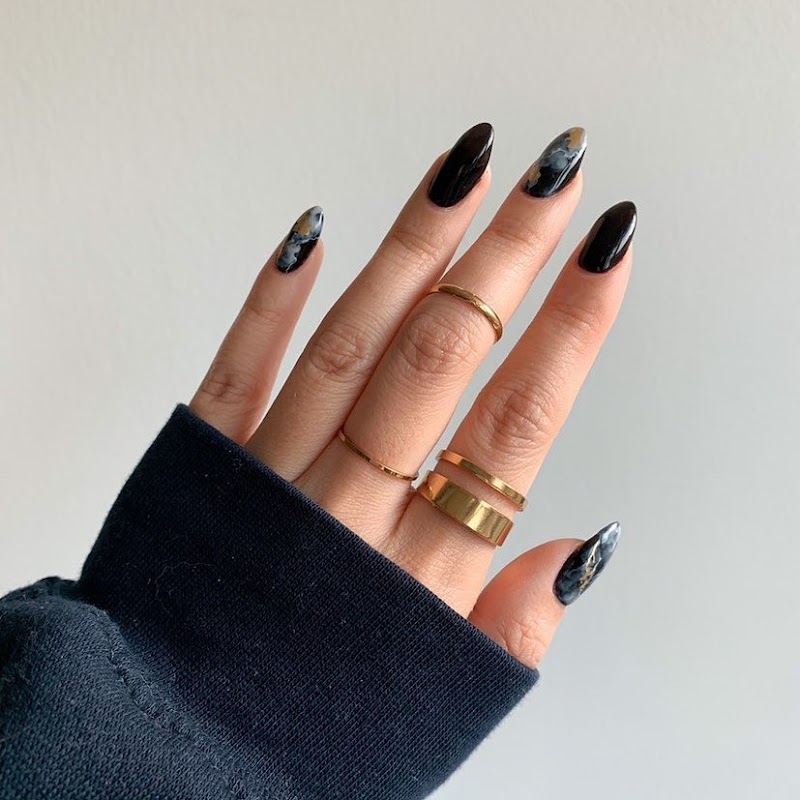
Cookies Nails
Structured builder gel, almond shape
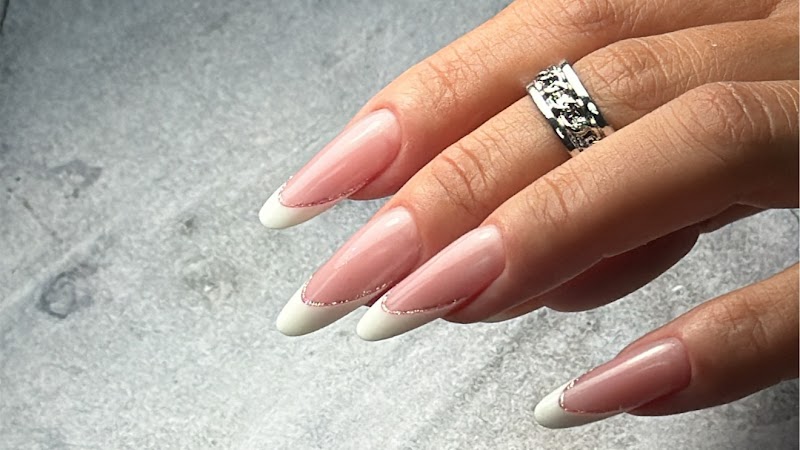
Lazarkova Nails LLC
Structured builder gel, almond shape
Is Builder Gel Safe?
Builder gel sits at the lower-risk end of nail enhancements, mostly because it needs less buffing than acrylic and the soak-off versions do not require a drill. Two things are worth knowing in 2026:
- TPO restriction (EU REACH, September 2025). The EU restricted TPO, a photoinitiator used in many gel products, in cosmetics from 1 September 2025. Brands selling into the UK and EU have reformulated. The restriction does not apply in the US, so if it matters to you, ask which product is being used — reformulated versions are widely available.
- HEMA. A common sensitiser in gel formulations. HEMA-free builder gels exist and are worth asking for if you have reacted to gel products before.
- Patch testing. Reasonable before a first set if you have sensitive skin or a history of contact allergy.
Three Questions to Ask Before They Start
- Is this a soak-off or a hard gel? (Decides how it comes off.)
- Which brand are you using? (A technician who cannot say is not tracking it.)
- Will you be e-filing my natural nail during prep? (Light buffing is fine; drilling the plate is not.)
Ready to book? Browse builder gel and BIAB specialists on NailAtlas →
Builder Gel: FAQ
What Is Builder Gel?▼
Builder gel is a thickened, UV- or LED-curable gel used to build structure onto the natural nail. It is applied in shaped layers to form an apex — a slight arch about a third of the way down the nail — which is what stops the nail flexing and snapping. Builder gel is a category rather than a single product: BIAB, structure gel, rubber base and hard gel are all sold under the builder-gel umbrella, and they behave differently.
What Is the Difference Between Gel and Builder Gel?▼
Gel polish is colour. It goes on in a thin coat, adds no structure, and will flex with whatever the nail underneath does. Builder gel is structural — it is thick enough to hold a shape and carry an apex, so it reinforces the nail rather than just coating it. A gel polish manicure usually lasts 2–3 weeks; a builder gel overlay usually lasts 3–4 weeks and is filled rather than fully removed.
What Is Builder Gel Made Of?▼
Builder gels are acrylate and methacrylate oligomers and monomers, plus photoinitiators that trigger the cure under a UV or LED lamp. That chemistry is why acrylate allergy is the main clinical risk. Two ingredients are worth knowing by name: HEMA, a common sensitiser that some brands now formulate out, and TPO, a photoinitiator the EU restricted in cosmetics from 1 September 2025 under REACH.
Is Builder Gel Good for Your Nails?▼
Builder gel does not feed or heal the nail — nothing applied to a nail plate can, because the plate is dead keratin. What it does is protect. A correctly applied overlay stops the nail flexing at the stress point, which is where splits and peeling start, so the natural nail grows out without breaking. The damage risk sits almost entirely in the prep and removal, not the product.
What Are the Disadvantages of Builder Gel?▼
Four real ones. It is technique-dependent — a badly placed apex is weaker than no overlay at all. It requires maintenance every 2–4 weeks. It can cause acrylate sensitisation, which is permanent once it develops. And soft and hard builder gels remove completely differently, so being given the wrong one means either a 25-minute soak or an e-file session you did not agree to.
How Is Builder Gel Removed?▼
It depends which type you were given. Soak-off (soft) builder gel comes off with acetone in about 15–25 minutes after the top coat is filed away. Hard builder gel will not dissolve in acetone at all and has to be filed down with an e-file by someone who knows how. If a technician reaches for a drill on a soak-off gel, or soaks a hard gel for 40 minutes and starts scraping, that is the wrong removal for the product.
Is Builder Gel Better Than Acrylic?▼
For strengthening your own nails, generally yes — builder gel needs far less buffing of the nail plate and most versions soak off rather than being drilled away. For extreme length, acrylic still wins, because it is more rigid and easier to rebuild when it breaks. The honest answer is that they do different jobs, and a skilled acrylic technician will do less damage than an unskilled builder gel one.
How Much Does Builder Gel Cost in the US?▼
A builder gel overlay typically runs $50–$85 in most US metros, rising to $70–$120 in Manhattan, Brooklyn and central LA where builder-gel-focused studios tend to be appointment-only. Infills are cheaper than a fresh set — usually 60–75% of the full price. Anything advertised well below $40 is worth a question, because gel polish over a rubber base is often sold as builder gel.