NailAtlas Editorial
Guidance grounded in market data from the 3,300+ nail salons we've indexed.
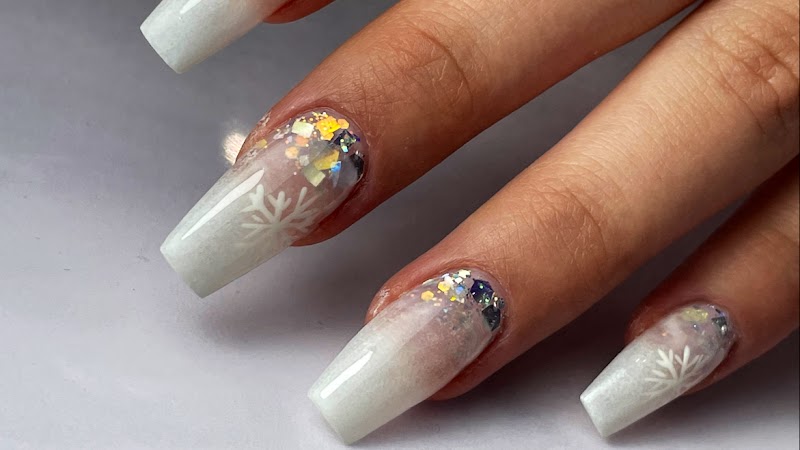
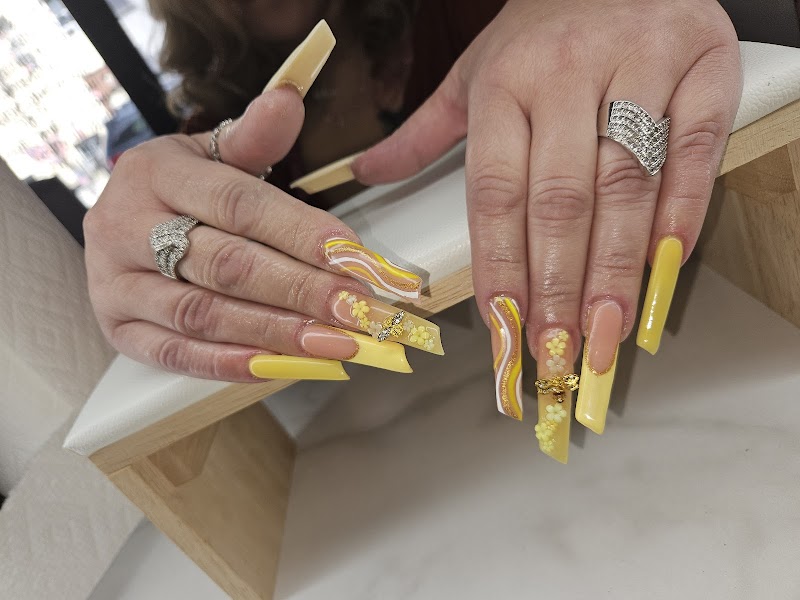
♡ Tap a heart to save a look
View style board →Quick Facts
- Service
- Sculpted gel extensions
- Duration
- 90 – 150 min
- Lasts
- 3 – 4 weeks per infill
- Price
- $60 – $100 (US)
- Removal
- Filed off, not soaked
Polygel is a nail enhancement that sits between acrylic and hard gel. It comes out of a tube as a thick putty, gets spread into shape with a brush and slip solution, and only hardens once it is cured under a lamp. Nothing sets until you decide it does — which is the entire point of the product.
It is used mainly to sculpt length. If what you actually want is your own nails reinforced rather than extended, the product you are looking for is builder gel. Full builder gel guide →
How Polygel Works
Acrylic starts curing the moment the monomer hits the powder, so a technician is working against a clock. Gel does not set until it is cured, but most gels are liquid enough to run. Polygel is the compromise: thick enough to stay exactly where it is put, and inert until the lamp goes on.
In practice that means the shape is built slowly and deliberately — pushed out over a tip or a form, thinned at the cuticle, arched at the apex, checked, adjusted, and only then cured. It is the most forgiving of the sculpting products to work with, which is also why it is the one most home kits are built around.
- Squeezed from a tube and cut to length
- Spread with a brush dipped in slip solution, not liquid monomer
- Shaped over a dual form or a nail tip
- Cured under UV or LED, usually 60 seconds
- Filed and refined, then coloured and top-coated
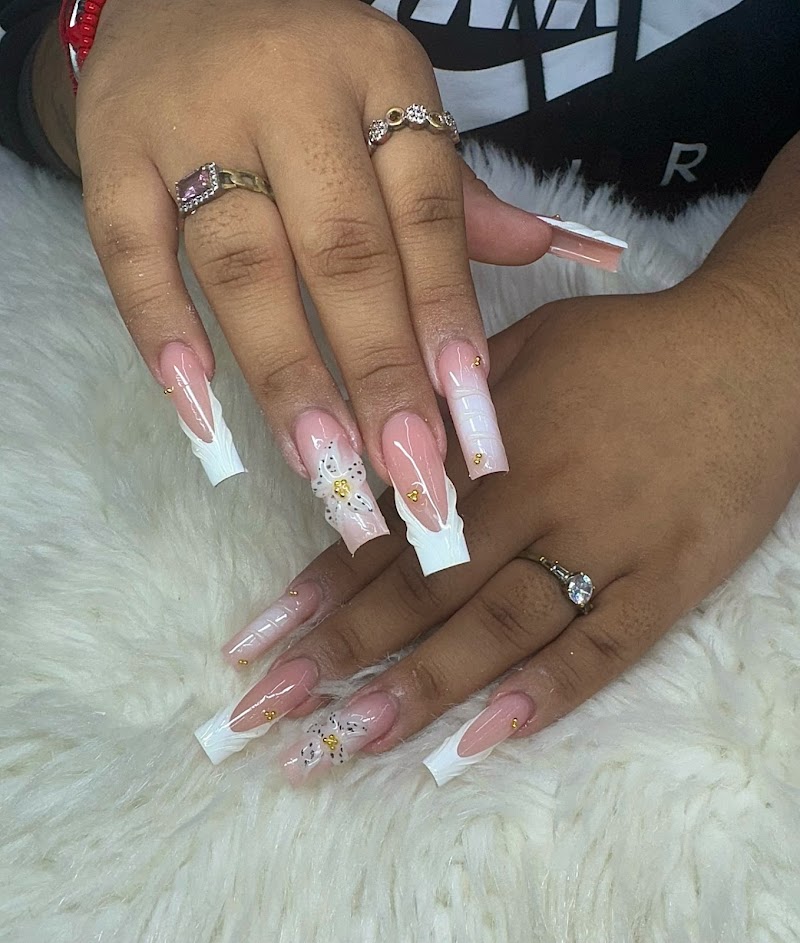
TD NAILS LOUNGE INC
Sculpted extensions, coffin shape
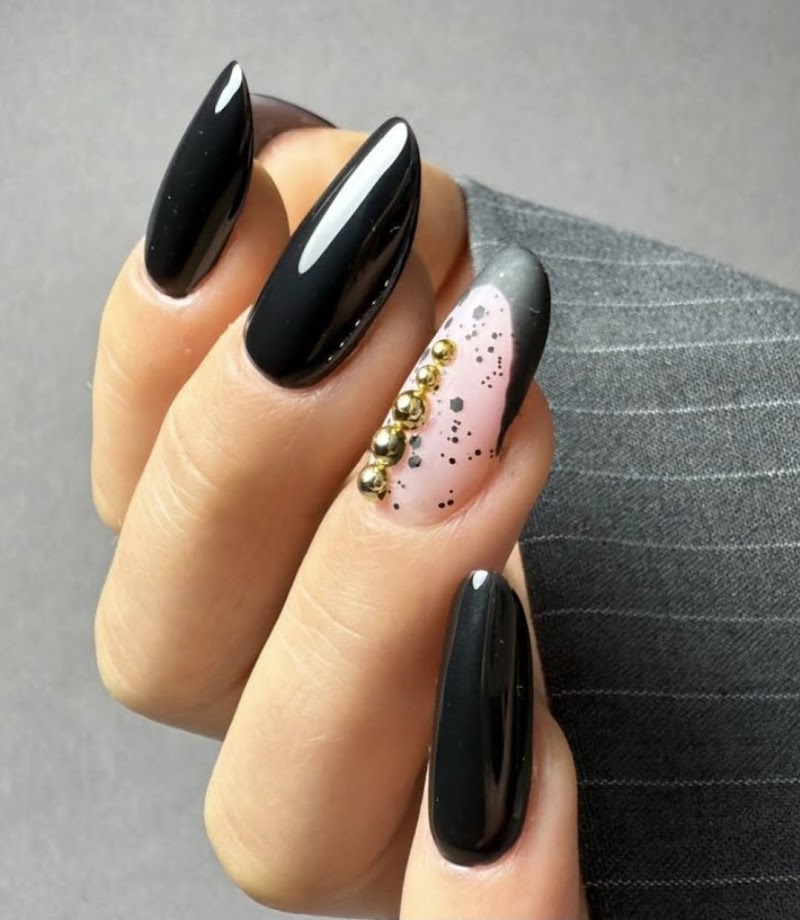
Mon Ami Nails
Sculpted extensions, coffin shape
Polygel vs Acrylic vs Hard Gel vs Builder Gel
| Product | Mainly used for | Removal |
|---|---|---|
| Polygel | Sculpted extensions | Filed off |
| Acrylic | Extensions, extreme length | Soak or file |
| Hard gel | Extensions, strong overlays | Filed off |
| Builder gel | Overlay on natural nails | Soak-off (soft versions) |
The comparison people most often want is polygel against builder gel, and it comes down to consistency. Builder gel is a viscous liquid that levels itself out and is designed to reinforce the nail you already have. Polygel is a putty that holds whatever shape it is pushed into and is designed to add length. They are not competing products so much as different tools.
How Polygel Is Removed
This is the part worth understanding before you book, because it is where the damage risk lives. Polygel is filed off, not soaked off. The bulk is reduced with an e-file, and depending on the brand the last thin layer may come away with acetone.
It will not dissolve the way soft gel does, so this is a salon job. Peeling or prying polygel off takes layers of nail plate with it — and because the removal is abrasive by nature, the person holding the e-file matters more than the brand in the tube. Safe gel removal, step by step →
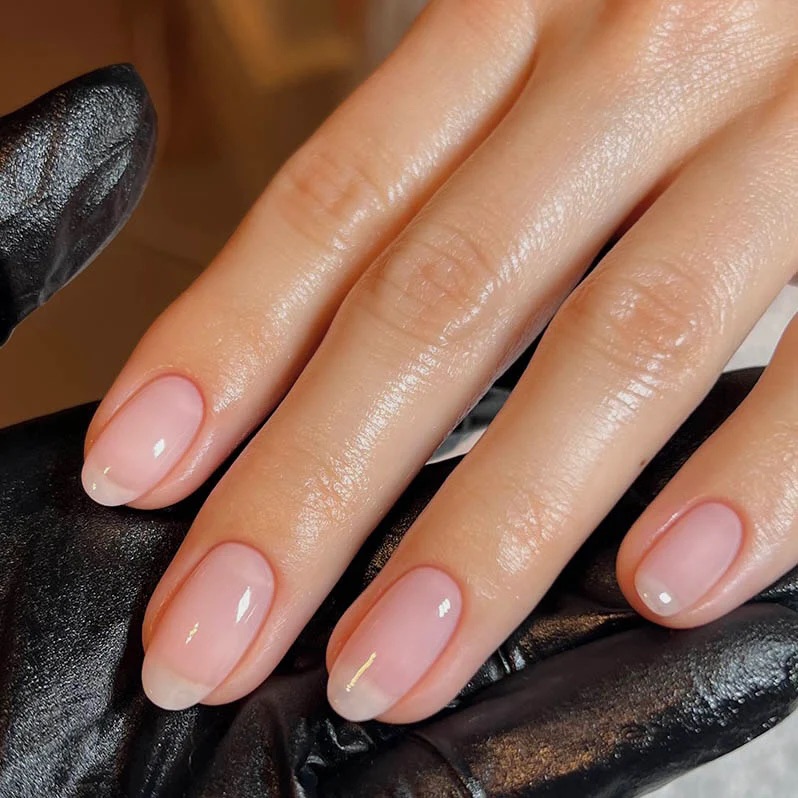
Primrose Nails
Polygel-style sculpted almond set
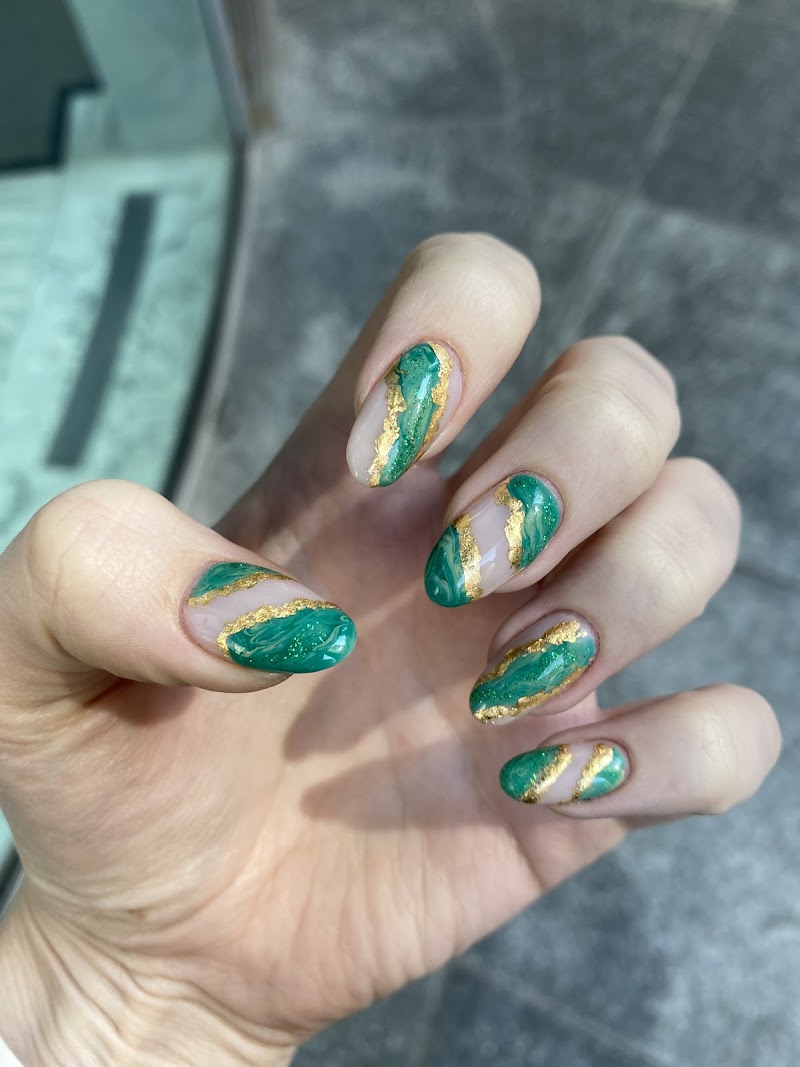
How You Nail It Studio
Polygel-style sculpted almond set
What Polygel Costs
A full set typically runs $60–$100 across most US metros and $80–$140 in New York and Los Angeles. Infills land at roughly 60–75% of a full set. That puts polygel slightly above acrylic and slightly below hard gel in most salons.
See the nail salon pricing guide → for how the rest of the menu compares.
A Note on Home Kits
Most polygel sold is sold to people doing their own nails, and the product genuinely is the most beginner-friendly of the sculpting systems — it does not run, and it does not set until you cure it. The part that does not come in the box is removal. A kit will get polygel onto your nails; taking it off again safely needs an e-file and the judgement to know when to stop, which is the one step worth paying a professional for.
Is Polygel the Right Choice?
Choose polygel if you want sculpted length that is lighter than acrylic and odour-free, and you are happy that removal means filing. Choose builder gel if you want your own nails strengthened rather than extended. Choose Gel-X if you want length quickly and want it to soak off.
Polygel: FAQ
What Is Polygel?▼
Polygel is a nail enhancement that sits between acrylic and hard gel. It comes out of a tube as a thick putty, is spread into shape with a brush and slip solution, and then cures under a UV or LED lamp. Because it does not self-level or harden until it is cured, the technician controls the shape completely — which is the main reason it exists.
Is Polygel Better Than Acrylic?▼
Polygel is lighter, has no strong odour, and does not set until you cure it, so there is no rushing. Acrylic is cheaper, more rigid, and easier to repair at the salon. Polygel is generally the more comfortable option to wear; acrylic is still the more durable one at extreme length.
What Is the Difference Between Polygel and Builder Gel?▼
Consistency and what they are for. Builder gel is a viscous liquid that levels itself and is mainly used as an overlay on the natural nail. Polygel is a putty that holds whatever shape you push it into and is mainly used to sculpt extensions. If you want your own nails reinforced, that is builder gel; if you want length built on, that is polygel.
How Is Polygel Removed?▼
Polygel is filed off, not soaked off. Most of the product is reduced with an e-file, and only the last thin layer near the nail plate may be soaked in acetone depending on the brand. It will not dissolve the way soft gel does, so removal is a salon job — attempting to peel or pry it off takes nail plate with it.
How Long Does Polygel Last?▼
Three to four weeks before an infill, and the set itself can be maintained for months with regular fills. Wear time depends far more on the apex and the seal at the cuticle than on the brand of product.
How Much Does Polygel Cost?▼
A full polygel set typically costs $60–$100 in most US metros, rising to $80–$140 in New York and Los Angeles. Infills usually run 60–75% of a full set. It generally prices slightly above acrylic and slightly below hard gel.
Does Polygel Damage Your Nails?▼
The product itself does not, but the removal can. Because polygel has to be filed off, the risk sits entirely in how carefully that is done — an over-enthusiastic e-file thins the nail plate quickly. This is the treatment where the skill of the person removing it matters more than the skill of the person applying it.