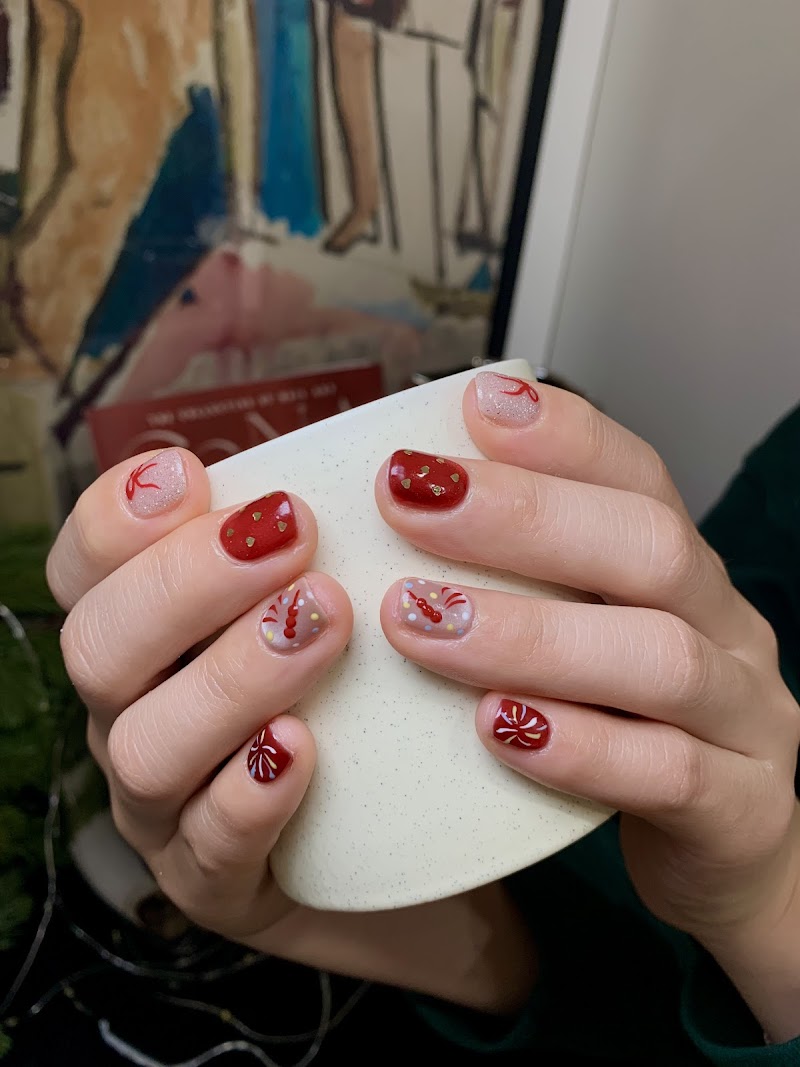
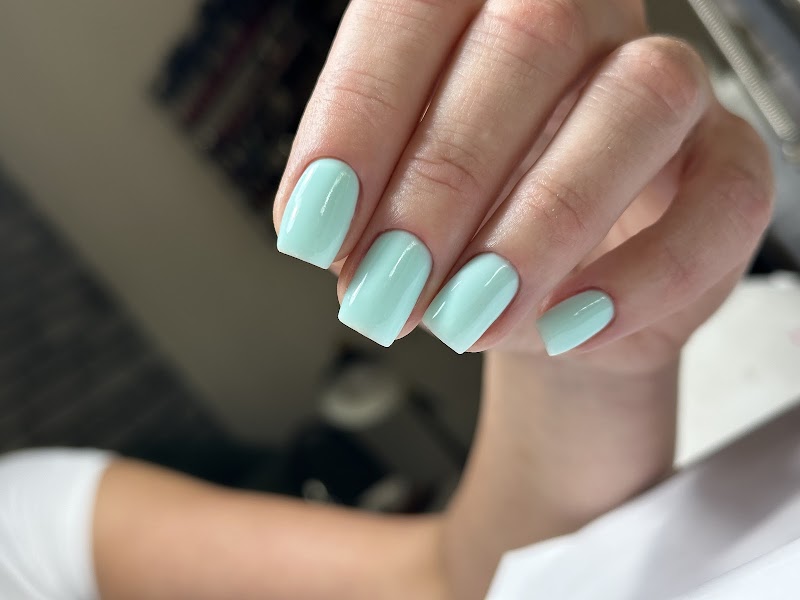
♡ Tap a heart to save a look
View style board →Quick Facts
- Safest overlay
- BIAB
- Safest colour-only
- Gel polish
- Most damaging
- Acrylic (with drill removal)
- Real risk factor
- Removal technique, not product
- Best for recovery
- BIAB worn continuously
BIAB is the safest option for the natural nail across the board — minimal application chemistry, almost no buffing, and the cleanest removal of the structural treatments. Gel polish is the safest pure-colour option. Acrylic is the most damaging of the common menu, mostly because of how much e-file work goes into both applying and removing it. The thing that actually breaks nails, though, is not the product — it is the technician's removal habits and how often you do back-to-back sets without recovery time.
Side-by-Side Safety Comparison
| Factor | BIAB | Gel Polish | Gel-X | Acrylic | Dip Powder |
|---|---|---|---|---|---|
| Application chemistry | Gentle gel | Gentle gel | Soft gel + tip | Liquid monomer (strong fumes) | Powder + base (no fumes) |
| Damage on removal | Low | Low | Moderate | High (drill often) | Moderate-high |
| Effect on natural nail growth | Protective overlay | Neutral | Neutral | Often thins | Slight thinning |
| Time in salon | 60–75 min | 45–60 min | 90–120 min | 60–90 min | 60–75 min |
| Average cost | $45–$75 / £35–£55 | $25–$50 / £20–£40 | $60–$100 / £55–£90 | $35–$70 / £30–£55 | $40–$65 |
Treatment-by-Treatment Verdict
BIAB — Safest overlay
Builder In A Bottle is the safest structural treatment for the natural nail. A single-bottle gel applied with a brush, cured under LED, no monomer, almost no e-file prep, clean soak-off. The overlay protects the nail plate while it grows underneath, which is the opposite of what most other enhancements do (cover the nail while thinning it). For weak, peeling, or post-acrylic-recovery nails, this is the standard recommendation. Full BIAB guide →
Gel Polish — Safest colour-only
Standard gel polish is the gentlest pure-colour treatment available. It does not add structure, so weak nails will still flex and break, but the gel itself is non-damaging if removed properly. The pitfall is removal: peeling or picking off gel takes layers of the nail plate with it. With a careful soak-off, gel polish can be worn continuously for years with no measurable thinning of the nail. Gel polish vs Shellac →
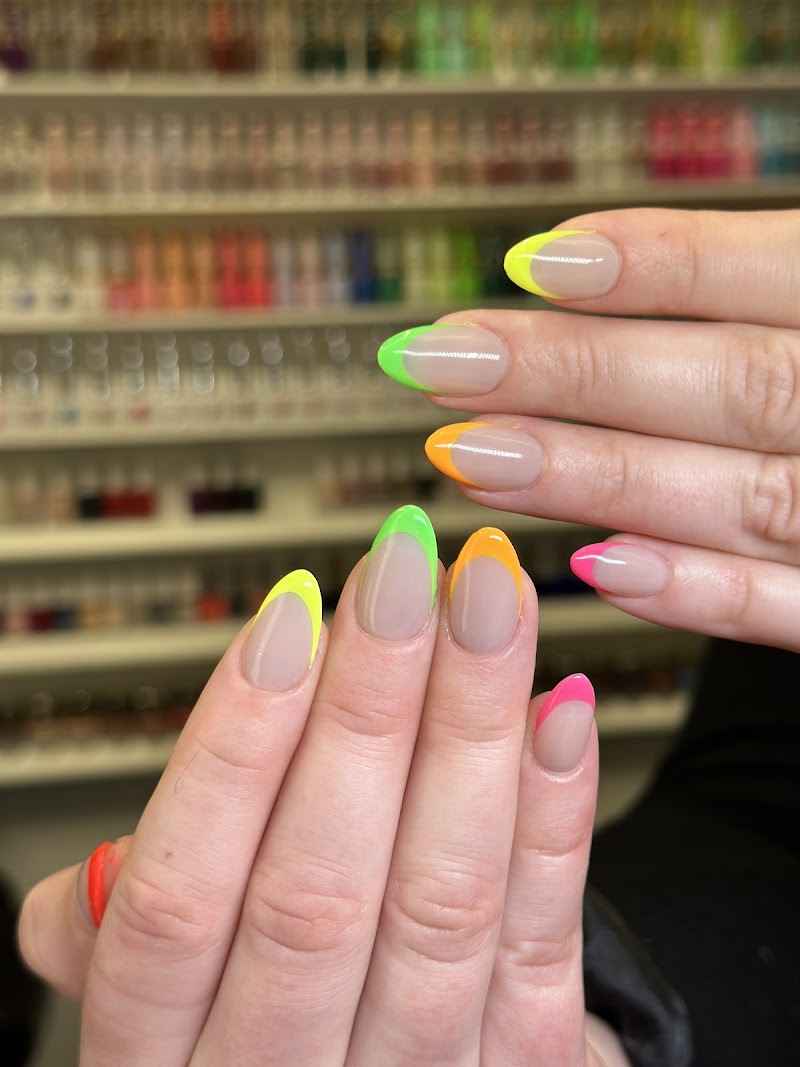
Big Apple Art
Healthy gel manicure results
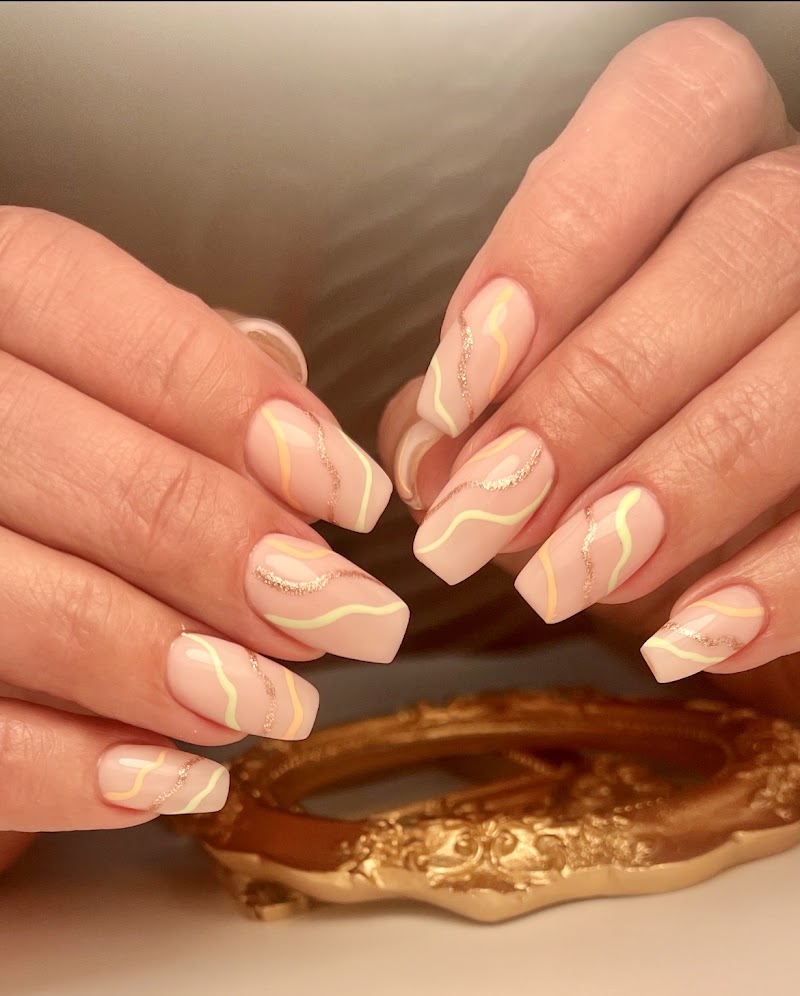
Evolution Nails LLC
Healthy gel manicure results
Gel-X — Middle ground
Soft gel extensions sit between BIAB and acrylic on the safety scale. Application uses a pre-formed tip glued on with a soft gel base and cured — no monomer, no air-cure. The damage potential is mostly on removal, where the soft gel can be e-filed back too aggressively if the tech is rushing. Choose Gel-X over acrylic if you want length without the monomer exposure. Full Gel-X guide →
Dip Powder — Better than acrylic, not as good as gel
Dip powder beats acrylic on application chemistry (no monomer, no strong fumes), but the removal time is longer than gel polish or shellac, which is what determines long-term nail-plate health. Less common as a strict recovery option, but a fine middle ground if you want something more durable than gel polish without the acrylic fumes. Full dip powder guide →
Acrylic — Most damaging on the menu
Acrylic is not actively unsafe; it is just the most damaging of the common treatments to the natural nail. The monomer fumes are strong (a comfort issue, not a documented health risk for the client), the application prep often involves substantial e-file buffing, and the removal almost always requires a drill to break the seal. Used occasionally, fine. Used continuously, the natural nail typically thins out within 6–12 months. BIAB vs acrylic →
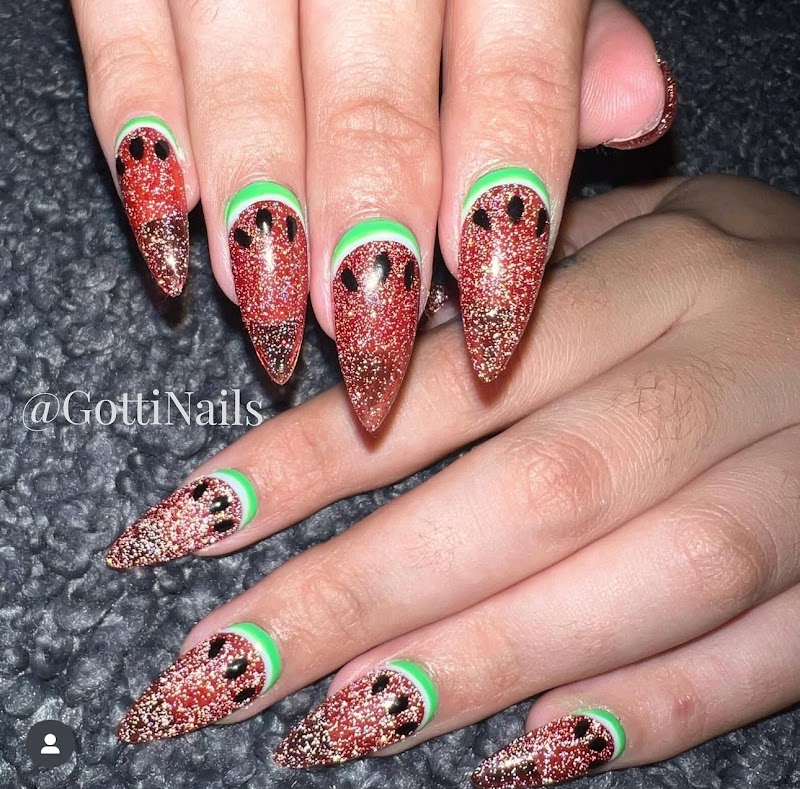
Two Gemini girls
Nail art on a gel base
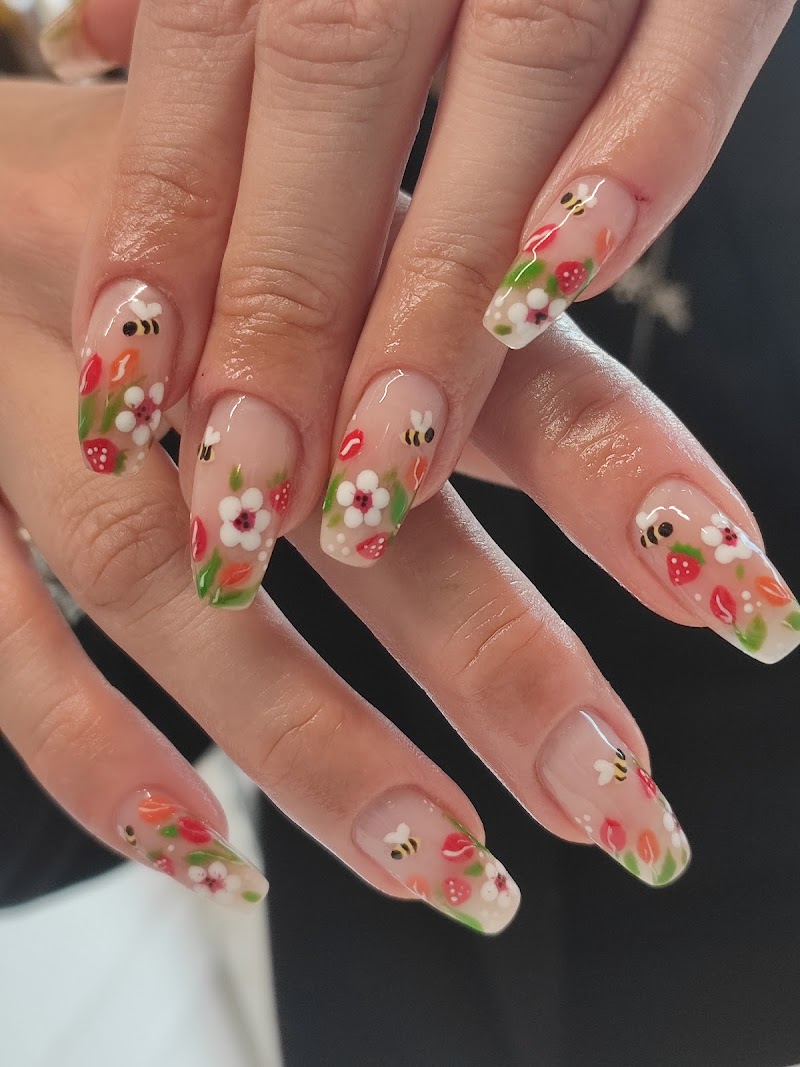
Nails Dalston Nail Craft Factory
Nail art on a gel base
Safest Overall: The Verdict
For most clients, the safest sustainable choice is BIAB worn continuously with proper soak-off removal every 3–4 weeks. The overlay protects the nail, the application is the gentlest of the structural options, and the removal is the cleanest. If you don't want any structural enhancement, plain gel polish with careful soak-off removal is equally safe. The thing that breaks nails is rarely the product — it is the e-file in the removal step. Find a tech who knows when to stop buffing.
Three Habits That Beat Any Product Choice
- Daily cuticle oil. Cheapest at-home intervention. Hydrates the matrix and the nail plate itself. Use it more than you remember to.
- Never peel or pick. Mechanical removal pulls top layers of the nail plate. If a gel is lifting, get it removed, don't pull at it.
- Change techs over tools. The biggest variable in nail health is whose hand is holding the e-file. If you walk out with white spots or rough texture on the nail surface, that is over-buffing — change salons.
For weak or recovering nails specifically, the recommended sequence is BIAB → BIAB → BIAB for three full appointments, with daily cuticle oil and proper soak-off removal in between. Most people see noticeable improvement after 3–6 months.
Read further: How to strengthen weak nails · How to repair damaged nails · Browse BIAB specialists
Safest Nail Treatments: FAQ
Which is safest — BIAB, acrylic, or gel?▼
BIAB is the safest of the three for the natural nail. Application uses no liquid monomer, prep needs minimal buffing, and removal is a 10-minute acetone soak. Gel polish is second — equally easy to remove, but it does not add structure so weak nails still flex and break underneath. Acrylic is the most damaging of the three, mainly because of how much buffing the application and removal both require.
Which is safer, hard gel or acrylic nails?▼
Hard gel is the safer of the two on most measures. It cures under LED rather than air-drying with monomer fumes, soaks off (slowly) with acetone, and the application gives off far less odour. Acrylic is more damaging on removal, where the drill is usually needed to break the seal.
Are dip powder nails safer for your nails than acrylic, gel, or shellac?▼
Dip powder is safer than acrylic on application (no liquid monomer, no fumes), but the removal time is longer than gel polish or shellac, which is what counts for long-term nail health. Compared to standard gel polish: dip is more durable but less nail-friendly overall. Compared to shellac (a brand of gel polish): the same trade-off.
Does gel polish damage your nails?▼
Gel polish itself does not damage the nail. Damage comes from two places: improper removal (peeling, picking, or rushed acetone) and repeat e-file buffing between sets. With proper soak-off removal and a tech who does not over-buff, gel polish is one of the gentlest options on the menu.
What is the least damaging nail enhancement?▼
BIAB worn continuously with proper soak-off removal is the least damaging structural enhancement available. The flexible gel protects the nail plate while it grows, and removal does not require aggressive e-file work. For pure colour with no structural enhancement, gel polish is the least damaging.
How can I tell if a salon is doing damage to my nails?▼
Three signs. After removal, the nail plate should look slightly dehydrated but not white, thin, or marked with deep grooves. The cuticle area should not be raw or bleeding. The thumb (where most pressure is applied during e-file work) should not feel thinner than the other nails. If any of these are true, switch salons.
Can I do BIAB and Gel-X back-to-back without damage?▼
Yes if the removal between sets is clean. The problem is not the products; the problem is what the e-file does to the surface of the natural nail between appointments. Ask your tech to use the e-file only on the gel layer, never on the natural nail plate.
Are press-on nails safer than gel or acrylic?▼
In terms of nail-plate contact, yes — press-ons with nail glue and no UV cure cause less direct damage than gel or acrylic. The trade-off is the glue, which can pull the top layer of the nail off when the press-on is removed without proper soak. A 10-minute warm-water soak before removal solves it.