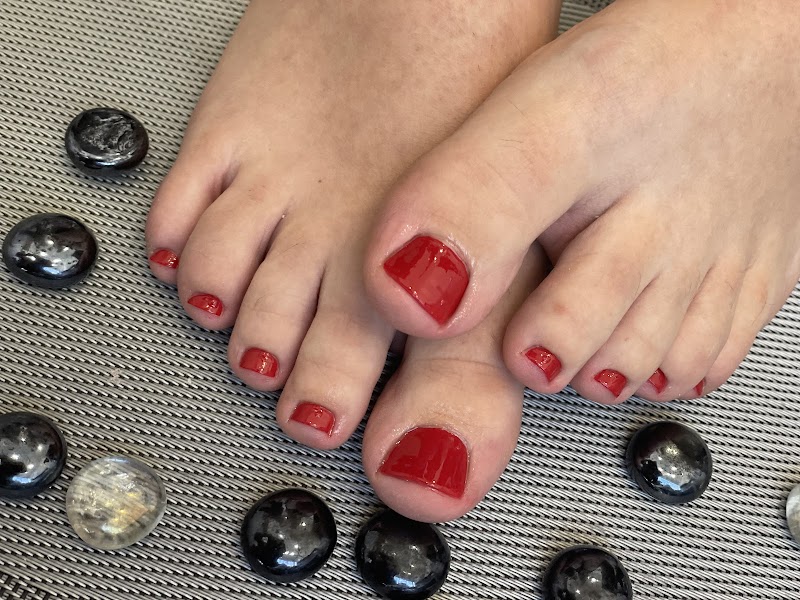
♡ Tap a heart to save a look
View style board →Quick Facts
- Comparing
- BIAB vs Acrylic
- Less damaging
- BIAB
- BIAB lasts
- 3 – 4 weeks
- Acrylic lasts
- 2 – 4 weeks
- For weak nails
- BIAB wins
BIAB and acrylic both add strength and durability to nails, but they are fundamentally different products with very different implications for nail health. Here's how to decide which is right for you.
The Core Difference
BIAB (Builder In A Bottle) is a soft builder gel applied like nail polish and cured under a UV/LED lamp. It creates a flexible, protective overlay on the natural nail. It is primarily used to strengthen and protect existing natural nails, not to create significant length. Full BIAB guide →
Acrylic is a two-component system (liquid monomer + powder polymer) that hardens in air. It can be used for overlays but is most commonly used for significant length extensions, sculpted from scratch using forms or pre-shaped tips.
Full Comparison
| Factor | BIAB | Acrylic |
|---|---|---|
| Primary purpose | Strengthen natural nail | Add length + strength |
| Odour during application | None | Strong chemical smell |
| Curing method | UV/LED lamp | Air (chemical reaction) |
| Feel on nail | Flexible, natural | Rigid |
| Removal | Acetone soak-off | Drill or long acetone soak |
| Nail damage risk | Low (with good prep) | Moderate to high |
| Length possible | Slight (2-3mm) | Extreme (unlimited) |
| Durability | 3-5 weeks | 3-4 weeks |
| Cost (UK) | £35-£55 | £30-£60 |
| Cost (US) | $45-$75 | $45-$80 |
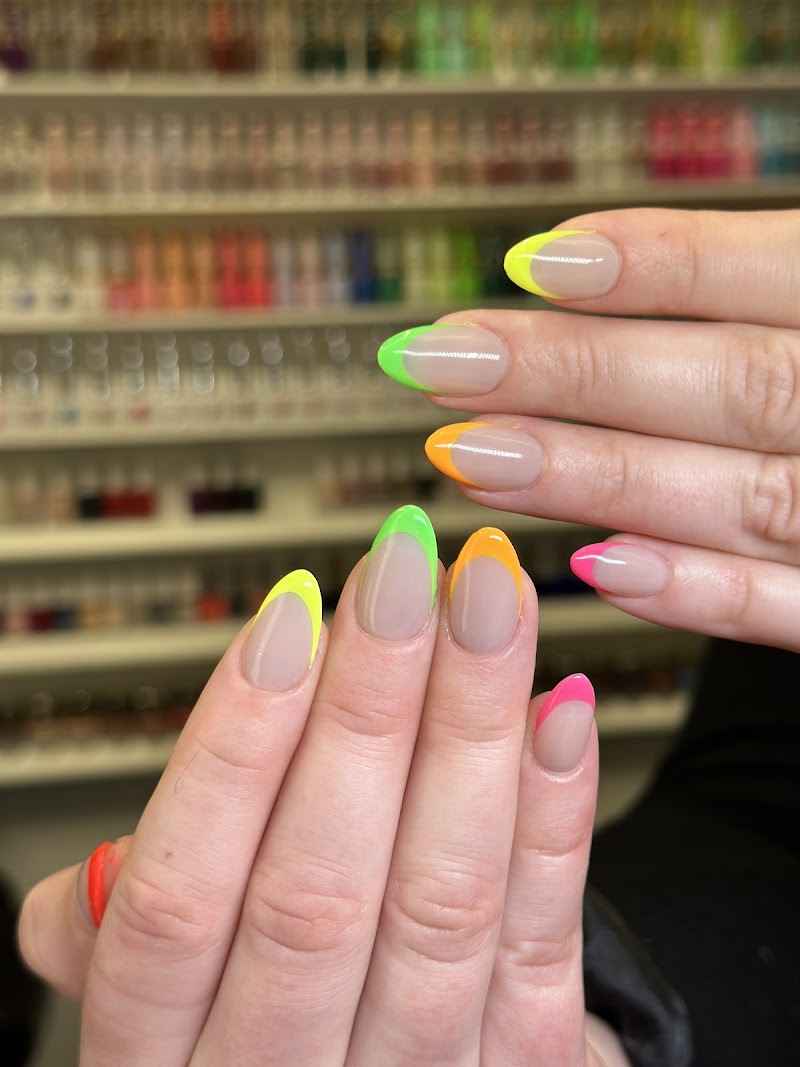
Big Apple Art
French tip nails
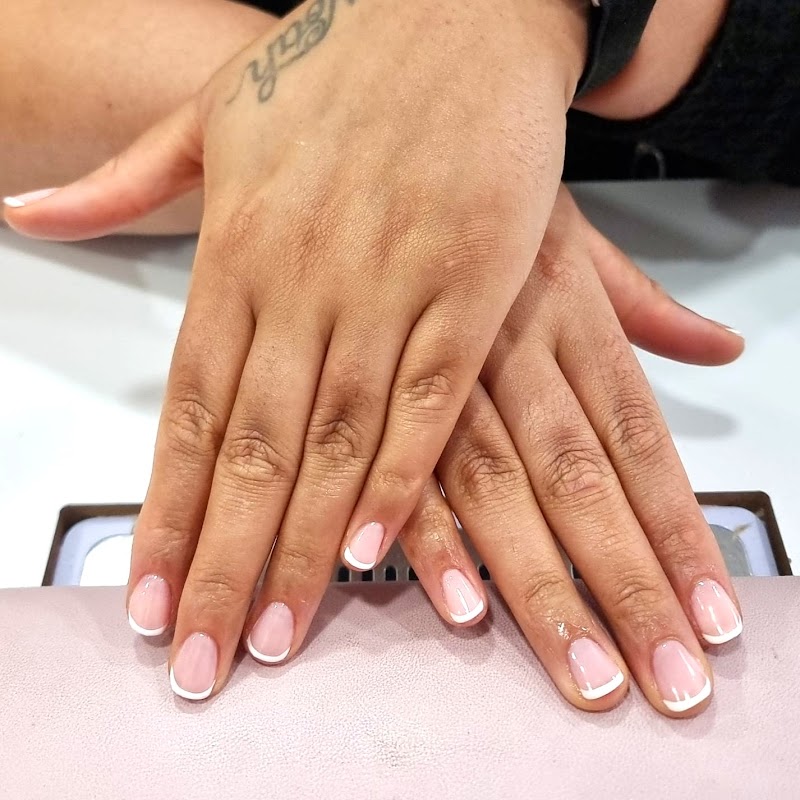
Naiyah Nails - Luxury BIAB & Russian Manicure Salon Brixton
French tip nails
Which Is Better for Nail Health?
BIAB wins on nail health in almost every scenario. The reasons:
- BIAB requires minimal to no buffing of the natural nail surface before application. Acrylic often requires significant buffing.
- BIAB removes easily with acetone, no drill needed. Drill removal (common with acrylics) risks thinning the nail plate.
- The flexible nature of BIAB means it moves with the nail and is less likely to crack or cause pressure damage.
- Many clients use BIAB specifically to grow out and repair nails damaged by previous acrylic use.
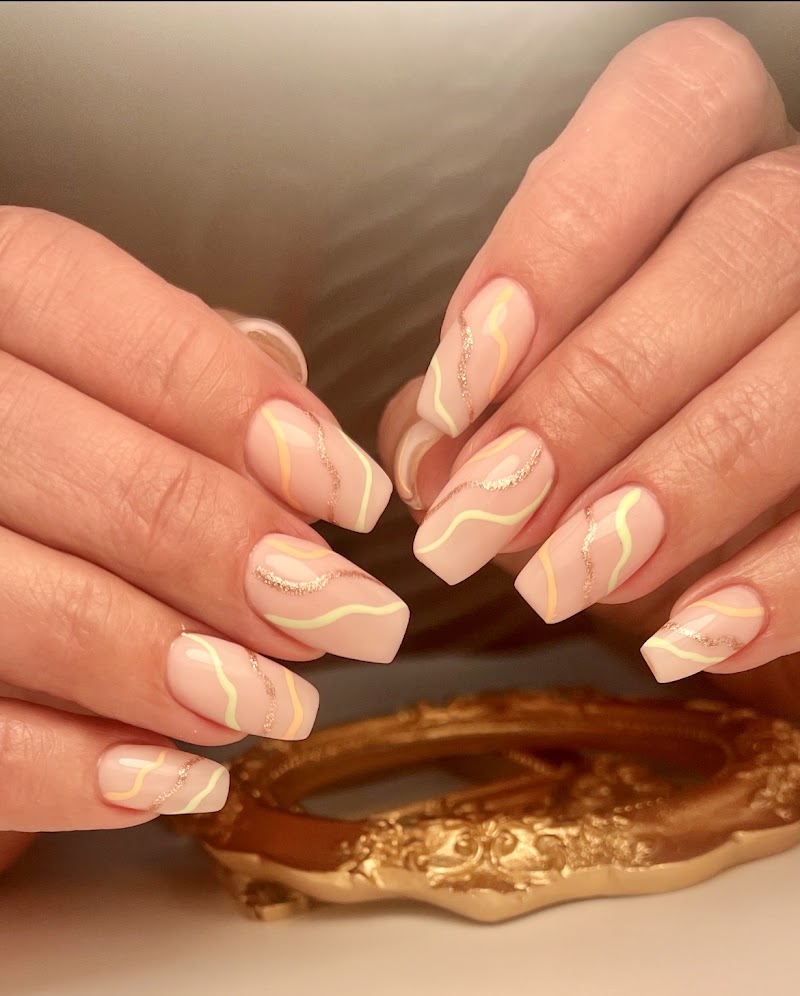
Evolution Nails LLC
Natural nail results with BIAB
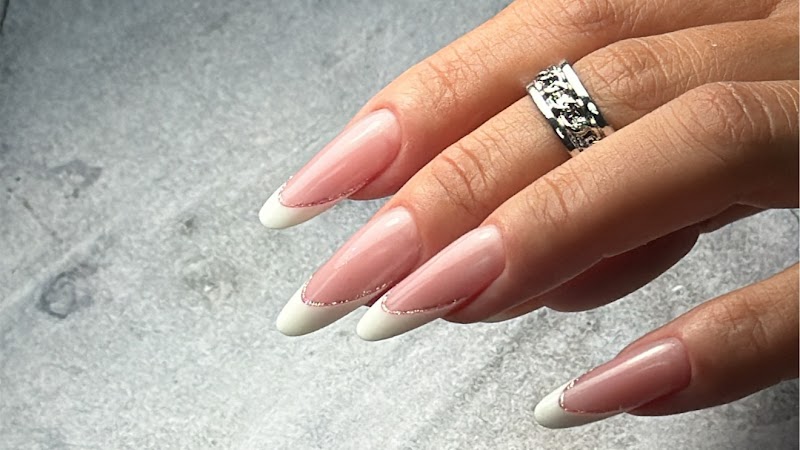
Lazarkova Nails LLC
Natural nail results with BIAB
When Acrylic Is Still the Right Choice
Despite the health advantages of BIAB, there are scenarios where acrylic remains the better option:
- Extreme length: BIAB can add a couple of millimetres of length. For dramatic coffin, stiletto, or flare shapes, acrylic (or hard gel) sculpted from forms is necessary.
- Budget: At many salons, acrylic extensions are cheaper than a BIAB manicure.
- Broken nails: Acrylic can rebuild a fully broken nail where BIAB cannot.
Our Recommendation
For most people, especially those with weak, brittle, or previously damaged nails, BIAB is the better long-term choice. It protects and grows your natural nail while keeping it polished. If you want significant length, consider Gel-X extensions over acrylics for a healthier extension option. Only reach for acrylics if you need extreme length or your budget requires it.
Find a BIAB specialist: Browse BIAB salons on NailAtlas →
BIAB vs Acrylic: FAQ
BIAB vs acrylic — which is better?▼
BIAB is better for nail health and looks more natural — it is a flexible gel overlay that grows out with your natural nail. Acrylic is better when you want significant length or a sculpted shape (coffin, stiletto, extreme almond). For most clients, BIAB wins; pick acrylic only when extreme length is the goal.
Is BIAB better than acrylic?▼
Yes, for nail health and natural appearance. BIAB needs almost no buffing of the natural nail, removes with acetone in 15–20 minutes, and won't thin the nail plate the way drill-removed acrylic often does. Acrylic still wins on extreme length and rebuilding fully broken nails.
What is the difference between BIAB and acrylic nails?▼
BIAB (Builder In A Bottle) is a soft builder gel painted on like polish and cured under a UV/LED lamp — it forms a flexible overlay on the natural nail. Acrylic is a liquid-and-powder system that hardens in air into a rigid layer, used mainly to sculpt length from a form or tip. BIAB protects; acrylic extends.
Is acrylic the same as BIAB?▼
No. Acrylic is a hard, rigid liquid-and-powder system that hardens in air and is mainly used to build length. BIAB is a flexible gel applied and cured under UV/LED light, used to strengthen and protect the natural nail. They feel different, last different lengths of time, and remove differently.
What is the price difference between BIAB and acrylic nails?▼
BIAB typically runs £35–£55 / $45–$75. A full set of acrylic is £30–£60 / $45–$80. Acrylic is usually slightly cheaper because the materials cost less and application is faster; BIAB salons charge a small premium for the gentler prep and longer-wearing product.
Can you go from acrylic to BIAB if your natural nails underneath are long?▼
Yes. If you have decent natural length under removed acrylic, BIAB applies straight on top — no extensions needed. The transition is straightforward as long as the natural nail is intact. If the nail underneath is thin or peeling, your tech may add a strengthening layer first.
Is BIAB different to acrylic apart from the application method?▼
Yes — beyond application, BIAB feels flexible (like a real nail) and acrylic feels rigid. BIAB grows out with the nail and removes in an acetone soak; acrylic is usually filed or drilled off. BIAB also has no chemical smell during application, while acrylic has a strong monomer odour.
Which is safer, BIAB or acrylic?▼
BIAB is the safer choice for natural-nail health. It needs almost no buffing, removes with a 15–20 minute acetone soak, and won't thin the nail plate the way drill-removed acrylic often does. Many clients use BIAB specifically to repair nails damaged by previous acrylic wear.
BIAB vs acrylic for toenails — which works?▼
Acrylic is more common on toenails because it can rebuild a missing or broken big-toe nail and tolerates the pressure of shoes well. BIAB works on toes too — and lasts 4–6 weeks — but few salons offer it as a pedicure service yet. For a protective overlay, BIAB; for rebuilding a damaged toenail, acrylic.
Should I get BIAB or normal acrylics?▼
For most clients with reasonable natural-nail length, BIAB. It is gentler, looks more natural, and grows out with your nails. Choose acrylic if you want extreme length (coffin, stiletto) or need to rebuild a broken nail. If you want length without acrylic's drawbacks, ask about Gel-X instead.
Can BIAB be used as extensions like acrylic?▼
Not really. BIAB is a builder gel applied to the natural nail — it can add 2–3mm of length over a paper form, but cannot sculpt the dramatic extensions that acrylic delivers. If you want length without acrylic, ask for Gel-X (soft gel tips by Aprés) — it gives acrylic-level length with a flexible, BIAB-like feel.
Is BIAB or acrylic better for short natural nails?▼
BIAB. On short natural nails it adds strength while still looking like a natural nail, and the flexibility means it doesn't put pressure on the free edge. Acrylic on short nails is technically possible but tends to look thick and unnatural unless extended with a tip. For short nails growing out from damage, BIAB is also the safer choice.
What's the difference between BIAB and acrylic infills?▼
An acrylic infill files down the lifted product near the cuticle and rebuilds that strip with fresh liquid-and-powder acrylic. A BIAB infill removes the lifted gel near the cuticle and reapplies a strip of fresh builder gel, cured under UV/LED. Both restore the look at the regrowth gap — but BIAB infills are gentler (no drill) and the bond at the new line is harder to see.